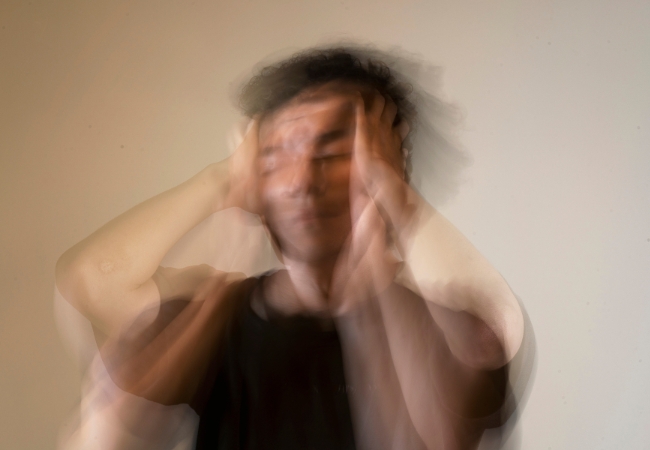
NeurOptimal® neurofeedback after concussion or PCS can offer support when concussion symptoms persist for longer. After a concussion, many people expect the symptoms to disappear on their own. Fortunately, this often happens. But sometimes the head remains sensitive, under pressure, or quickly overloaded. You notice that light, sound, screens, conversations, or busy environments suddenly require much more energy than before.
When symptoms after a concussion persist for a longer period, it is often referred to as PCS (post-concussion syndrome). You may continue to suffer from headaches, dizziness, fatigue, concentration problems, overstimulation, poor sleep, or a feeling of fullness in the head.
NeurOptimal® neurofeedback can offer valuable support at this stage. It is a gentle form of brain training that helps the brain to regulate itself better. Not by forcing it, but by giving the brain feedback on its own activity.
What is PCS?
PCS stands for post-concussion syndrome. This means that symptoms following a concussion persist for longer than expected. A concussion is usually considered a mild form of traumatic brain injury, but the impact on daily life can be significant.
Common complaints with PCS include:
- Headache or pressure in the head;
- Dizziness;
- Tiredness;
- Difficulty concentrating;
- Memory problems;
- become overstimulated more quickly;
- sensitivity to light or sound;
- poor sleep;
- Blurred vision or difficulty with screens;
- nausea;
- react more emotionally;
- Difficulty with crowds, work or social activities.
Research shows that many symptoms following a concussion resolve within a few weeks, but that some adults continue to experience long-term symptoms. A publication from 2025 states that up to approximately 30% of adults may experience persistent symptoms following a concussion. It is therefore important to take persistent symptoms seriously and not to assume that they are “all in your head”.
Why does your brain remain overstimulated after a concussion?
After a concussion, the brain can temporarily have more difficulty processing stimuli. Everything that previously happened automatically suddenly requires more energy. This includes activities like reading, driving, having a conversation, working on a screen, or grocery shopping.
This is because your brain constantly has to filter, process, and organise information. When that system is out of balance, stimuli come in more intensely. Your head gets full faster and your recovery after exertion takes longer.
Many people with PCS recognise that they can still do an activity, but then need to recover afterwards. A short appointment, a busy room, or an hour at the laptop can be enough to worsen symptoms.
At Brain-Fit, we therefore see PCS not only as a main complaint, but also as a problem of stimulus processing, resilience, and self-regulation of the nervous system.
How does NeurOptimal® neurofeedback work for PCS?
During a NeurOptimal® neurofeedback session You are sitting relaxed in a chair. You are listening to music or watching a film. Your brain activity is measured using sensors. When the system registers sudden changes or instability, you hear a brief interruption in the sound.
The interruption provides your brain with information about its own activity. You don't have to do anything yourself. You don't need to concentrate, analyse anything, or perform any exercises.
That's precisely the point with PCS. Many people experiencing post-concussion syndrome can tolerate very little mental exertion. NeurOptimal® neurofeedback requires little active energy, while the brain receives feedback that can help develop more flexibility, calm, and stability.
Why might NeurOptimal® neurofeedback be interesting after a concussion?
With PCS, the brain has often become less flexible. It switches less easily between effort and recovery. You're more likely to get stuck in fatigue, tension, overstimulation, or headaches.
NeurOptimal® neurofeedback supports the brain in self-regulation. The system does not try to force the brain or steer it in a fixed direction. It feeds back information so that the brain can respond itself.
Many clients experience changes after multiple sessions such as:
- more peace of mind;
- to become less easily overstimulated;
- sleep better;
- Better concentration;
- less pressure or heaviness in the head;
- faster recovery after exertion;
- better able to deal with screens;
- more emotional stability;
- more confidence in daily activities.
The aim is not to “treat away” a concussion. The aim is to support the brain and nervous system in regulation, recovery, and resilience.
PCS is often more than just a headache
Many people primarily associate concussion with headaches. However, with PCS, multiple systems are often involved simultaneously. The brain, the stress system, sleep, sensory processing, energy regulation, hormones, and the immune system can all influence recovery.
This is why symptoms can also vary. Some days you can do more than others. Sometimes symptoms only appear hours after exertion. Or you notice that stress, poor sleep or a busy environment intensifies your symptoms.
At Brain-Fit, we therefore take a broad view. We don't just look at the concussion itself, but also at what helps your nervous system to rebuild its calm, resilience, and tolerance.
Overstimulation after a concussion
Over-stimulation is one of the most common complaints with PCS. For example, you might be sensitive to:
- light snow;
- Sound;
- Screens;
- crowded spaces;
- multiple conversations at once;
- Driving;
- social conventions;
- workload;
- sport and physical exertion.
Overstimulation often feels like your head is “filling up”. You might get a headache, feel dizzy, feel nauseous, have trouble finding the right words, or suddenly feel extremely tired.
NeurOptimal® neurofeedback can help the brain to react more smoothly to stimuli. Many people describe this as: “I can handle more without immediately experiencing symptoms” or “My head stays calmer in busy situations.”
This is important for concussion recovery. Because when you can process stimuli better, there is often more room to cautiously build up daily activities.
Concentration problems after a concussion
After a concussion, concentrating can be much more difficult than before. Reading, working, studying, following conversations or making plans can be very tiring. Sometimes it feels as though your head quickly “switches off”.
That doesn't mean you're making it up. After a concussion, the brain often has more difficulty processing information efficiently. This makes it tire out more quickly.
NeurOptimal® neurofeedback doesn't focus on one specific concentration exercise, but on the flexibility of the brain as a whole. When the brain functions more calmly and stably, many people find that concentrating also becomes easier.
Sleep problems after a concussion
Sleep plays a big role in recovery. However, many people sleep worse after a concussion. You find it harder to fall asleep, wake up more often, or don't wake up feeling rested.
This can slow down recovery, as the brain supports many recovery processes during sleep. Furthermore, poor sleep can exacerbate symptoms such as headaches, sensitivity to stimuli, fatigue, and concentration problems.
NeurOptimal® neurofeedback can support the brain in achieving more calm and self-regulation. Many clients notice that their sleep gradually deepens or that their mind becomes less active when they want to relax.
At Brain-Fit, we also look at sleep patterns, sensory load, recovery periods, and daily energy balance.
How many sessions are needed with PCS?
At Brain-Fit, for post-concussion symptoms, we often consider a treatment plan of approximately 15 to 20 sessions. Some individuals notice a change sooner, while others require more time.
This depends on various factors, such as:
- how long the complaints have existed;
- how severe the overstimulation is;
- how well you sleep;
- how much tax there is daily;
- whether there is stress or anxiety;
- Previous concussions;
- General load-bearing capacity and recovery ability.
During the process, we primarily focus on your daily functioning. Can you tolerate more stimuli? Do you recover more quickly after exertion? Does your mind become calmer? Do you sleep better? Can you more easily rebuild work, study, family, or social activities?
These are important signs that the nervous system is developing more stability and resilience.
The PNEI vision in concussion and PCS
At Brain-Fit, we combine NeurOptimal® neurofeedback with guidance from the PNEI perspective. PNEI stands for Psycho-Neuro-Endocrino-Immunology. This means we look at the interconnectedness between the brain, nervous system, hormones, immune system, stress, sleep, nutrition, and resilience.
At PCS, that broad perspective is valuable. A concussion doesn't just affect your head. It can impact your entire system. Stress, poor sleep, inflammatory activity, hormonal fluctuations, diet, breathing, and sensory overload can all play a role in how quickly you recover.
That's why at Brain-Fit, we don't just look at the neurofeedback sessions, but also at what your brain needs daily to recover better.
Is NeurOptimal® neurofeedback a treatment for PCS?
NeurOptimal® neurofeedback is not a medical treatment that cures PCS. It is a form of brain training that supports the brain's self-regulating capabilities.
That distinction is important. For serious, sudden or worsening symptoms, medical assessment is always important. Think for example of increasing headaches, neurological deficits, confusion, persistent vomiting, loss of strength, problems with speech or other warning signs.
NeurOptimal® neurofeedback can be a valuable addition to a broader recovery process. It is well-suited for individuals who are sensitive to stimuli and have limited tolerance for mental exertion.
NeurOptimal® neurofeedback is suitable for anyone who has experienced a concussion.
NeurOptimal® neurofeedback can be suitable when you experience symptoms after a concussion such as:
- Overstimulation;
- headache;
- concentration problems;
- Tiredness;
- Headache;
- poor sleep;
- difficulty with screens;
- Dizziness;
- react more emotionally;
- Difficulty with work, study or social activities;
- Relapse after exertion.
An intake is important to determine if NeurOptimal® neurofeedback is suitable for your situation. Sometimes additional medical, physiotherapy, psychological, or vestibular guidance is necessary. Brain-Fit is happy to look with you to determine the appropriate approach.
NeurOptimal® neurofeedback with Brain-Fit
Brain-Fit supports individuals experiencing post-concussion syndrome (PCS) symptoms from our locations in Hillegom and Amstelveen. Clients come from, among other places, Haarlem, Leiden, the Bollenstreek, Hoofddorp, Haarlemmermeer, Amsterdam, Amstelveen, Aalsmeer, and Almere.
Our approach combines NeurOptimal® neurofeedback with a broad perspective on recovery. We look at your brain, but also at your nervous system, sleep, stress levels, sensory processing, lifestyle, and resilience.
The aim is for your system to develop more calm, balance, and resilience step by step. Not only during the sessions, but especially in your daily life.
Would you like to know if NeurOptimal® neurofeedback is right for your PCS symptoms?
Do you continue to experience symptoms after a concussion? Do you become easily overstimulated, suffer from headaches, concentration problems, or notice that your mind gets overloaded quickly? Then NeurOptimal® neurofeedback can offer valuable support.
At Brain-Fit, we start with an intake. We discuss your complaints, your capacity, and your recovery goals. Following this, you will receive honest advice about what you can expect and which course of action might be suitable.
Plan an intake session at Brain-Fit and discover if NeurOptimal® neurofeedback can support your brain for more calm, recovery, and resilience after a concussion.
Frequently asked questions about NeurOptimal® neurofeedback after a concussion
Can NeurOptimal® neurofeedback help after a concussion?
Yes, NeurOptimal® neurofeedback can be supportive for post-concussion symptoms. It helps the brain to develop greater self-regulation, calm, and flexibility. Many clients experience less overstimulation, better sleep, greater peace of mind, and improved resilience.
What is PCS?
PCS stands for post-concussion syndrome. It means that symptoms after a concussion persist longer than expected. This can include headaches, dizziness, fatigue, concentration problems, overstimulation, and sleep disturbances.
Is NeurOptimal® neurofeedback hard work for the brain?
No. During a session you don't have to do exercises or achieve anything. You sit relaxed, listening to music or watching a film, while your brain receives feedback. That's precisely what makes it pleasant for people who get overstimulated easily.
How many sessions are needed with PCS?
At Brain-Fit, we at PCS often work with a programme of around 15 to 20 sessions. Some people notice changes sooner, others need more time. This depends on the duration and severity of the complaints and your general resilience.
Is NeurOptimal® neurofeedback a treatment for PCS?
NeurOptimal® neurofeedback is not a medical treatment that cures PCS. It is a form of brain training that supports the brain's self-regulating ability. Medical assessment is important for severe or worsening symptoms.
Can I combine NeurOptimal® neurofeedback with other therapies?
Yes, often that works well. NeurOptimal® neurofeedback can be used as a complementary therapy alongside, for example, physiotherapy, occupational therapy, vestibular therapy, psychological support, coaching, or medical care.