Concussion treatment (PCS) with neurofeedback
Support for persistent symptoms after a concussion or mild traumatic brain injury
A concussion can happen suddenly. You hit your head, fall off your bike, get hit in the head by a ball or stick during sports, or sustain a blow in an accident. Sometimes it seems minor at first. You rest, take it easy, and expect the symptoms to disappear on their own.
But what if that doesn't happen?
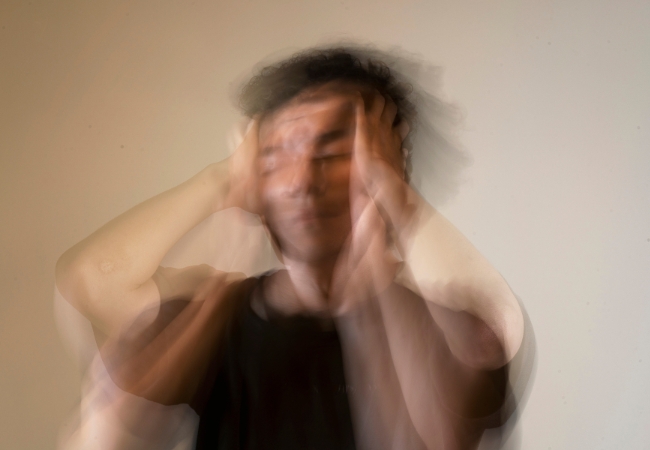
For some people, symptoms after a concussion persist for months, or even years. Your head feels full, stimuli are more intense, your energy is minimal, and normal activities such as working, exercising, driving, reading or holding a conversation suddenly become difficult.
When symptoms persist for longer than three months following a concussion or mild traumatic brain injury, it is often referred to as PCS: post-concussion syndrome.
At Brain-Fit, we support clients with PCS complaints using a combination of NeurOptimal® neurofeedback and complementary guidance from a PNEI (Psychoneuroimmunoendocrinology) perspective. This approach considers not only the brain, but also the nervous system, stress system, recovery capacity, lifestyle, nutrition, and resilience.
Do you recognise this after a concussion?
Symptoms following a concussion are not always visible to outsiders, but can significantly affect your daily life. Many people with a concussion (PCS) find that they become overloaded more quickly and are less able to tolerate stimuli.
Common complaints include:
- Persistent fatigue
- Headache or pressure in the head
- Dizziness
- Concentration problems
- Forgetfulness
- Sensitive to light, sound, or crowds
- Sleep problems
- Anxious or gloomy feelings
- Become overloaded more quickly
- Difficulty with social interactions
- Problems with work, study, or sports
Many clients say they are “no longer themselves”. They want to be, but their mind and body keep pulling back on the reins. A short walk, a conversation, a screen or a birthday can already be too much.
That’s what often makes PCS particularly frustrating. On the surface, there’s usually little to show for it, whilst on the inside you constantly feel as though your system is working overtime.

Why Symptoms Sometimes Persist After a Concussion
After a concussion, you are often advised to rest and gradually build up your activities again. For many people, that is sufficient. But with PCS, the brain and nervous system remain, as it were, on high alert.
Your system reacts more quickly to stimuli, physical exertion and stress. As a result, you may experience symptoms when doing things that used to come naturally, such as working at a computer, doing the shopping, exercising, driving or having a conversation in a busy place.
To prevent complaints, you often increasingly start to avoid things. Less work, fewer social engagements, less exercise, and fewer stimuli. This is understandable, but in the long run, your world can become smaller and smaller as a result.
Many people with PCS become insecure because of this. What else can I do? When will I go beyond my limits again? Why is it not possible to recover?
During neurological examinations, no clear damage is often found. This can be confusing. You feel that something is wrong, but you are told that nothing is visible. However, this does not mean that your symptoms are not real.
At Brain-Fit, we therefore look beyond visible damage. We focus primarily on the functioning of the brain, the resilience of the nervous system, and the factors that can support or hinder your recovery.
Our approach at Brain-Fit
At Brain-Fit, we work with persistent post-concussion symptoms using a combination of NeurOptimal® neurofeedback and guidance from the PNEI perspective. This way, we don't just look at the complaint itself, but at the entire system: brain, nervous system, stress load, recovery capacity, lifestyle and nutrition.
Let’s start with the basics. Your brain controls many of the body’s processes. When the brain and nervous system are out of balance, you may notice this physically, mentally and emotionally. Think of fatigue, headaches, feeling overwhelmed, sleep problems, difficulty concentrating or a sense of tension and restlessness.
With NeurOptimal® neurofeedback, the brain receives information about its own activity during training. You don’t need to do anything actively. You simply sit quietly in a chair and listen to music or watch a film. The brain receives feedback via brief interruptions in the sound, enabling it to learn to regulate itself more effectively.
We also look at the cooperation between the nervous system, hormonal system, immune system, diet, stress and lifestyle from the PNEI perspective. Using the Neuro-4 profile test gives us more insight into your recovery and performance capacity. Based on this, we can provide more targeted advice on diet, supplements, lifestyle, and building resilience.
This creates a personal approach that suits your situation and your pace. No forcing, but a step-by-step journey towards more peace, energy, and confidence.
What might you notice during your recovery?
Recovery from concussion (PCS) is usually a step-by-step process. It's often not about one big change, but small improvements that together can make a big difference.
With clients experiencing persistent post-concussion symptoms, we often observe a gradual increase in their tolerance to exertion. Activities that were previously too demanding slowly become more manageable again.
Examples of this include:
- You can walk a bit longer without a relapse
- Your head feels less full
- You're better when it's quiet, or not too bright, or not too crowded.
- You recover faster after exertion
- You sleep more peacefully or more deeply
- You can concentrate a bit better
- You have less tension or restlessness in your system.
- You are cautiously starting to build social activities again
- You gain more confidence in your body and brain.
Sometimes it starts very small. Where going for a short walk once a day was already difficult, you might later manage to go outside several times a day. Or you notice you can sit with family or friends for a bit longer, without immediately becoming completely exhausted.
Precisely these kinds of steps are important. They build confidence and often form the basis for building up your daily life further.
This guidance is suitable for whom?
The guidance at Brain-Fit is suitable for people The complaints persist after a concussion, head injury, or mild traumatic brain injury.
For example, after:
- A fall on the head
- A sports accident
- A traffic accident
- A blow to the head
- A ball or stick to the head during sport
- Multiple minor head traumas
- A whiplash-like situation
- Prolonged overstimulation after a concussion
Even if no clear abnormalities are found during examinations, but your symptoms persist, it can be worthwhile to investigate the functioning of your brain and nervous system further.
Many clients come to Brain-Fit because they find that rest alone isn't sufficient. They want to move forward but keep getting overwhelmed as soon as they try to build up their activities again.
Do you recognise that? Then it can be valuable to investigate how your brain and body react to load, stimuli, and stress.
Why Brain-Fit for concussion (PCS)?
By Brain-Fit We have extensive experience with clients who have long-term complaints after a concussion or mild traumatic brain injury. We see how life-altering PCS can be, especially when there are no visible symptoms externally, yet your daily life is significantly restricted.
Our approach is personal and comprehensive. We don't just look at your symptoms, but also at how your brain, nervous system, and body react to strain, stress, and stimuli.
What sets Brain-Fit apart:
- Extensive experience with concussion (PCS), overstimulation and reduced tolerance.
- NeurOptimal® neurofeedback training
- Supplementary guidance from the PNEI perspective
- Understanding recovery and performance through the Neuro-4 profile test
- Practical advice on nutrition, supplements, lifestyle, and recovery
- Personal guidance at your own pace
- Locations in Hillegom and Amstelveen
We work calmly and carefully. Not forcing, but investigating step by step what your system needs to recover better.
Regain control of your daily life
Persistent symptoms after a concussion can significantly limit your life. You want to move forward, but your head and body keep hitting the brakes. This can feel uncertain, frustrating, and sometimes lonely.
At Brain-Fit, we help you regain control over your daily life, step by step. By training your brain with NeurOptimal® neurofeedback, calming your nervous system, and gaining a better understanding of what your system needs to recover.
The goal isn't just fewer complaints. The goal is that you get more room to live again.
More energy. More rest. More confidence. And more opportunities to work, exercise, socialise, and enjoy the things that are important to you again.
Plan an intake session at Brain-Fit
Are you experiencing symptoms for months after a concussion or mild traumatic brain injury? And do you find that rest alone isn't helping enough?
Then we'd be happy to take a look with you.
During an intake, we will discuss your symptoms, capacity, and recovery potential. We will explain how NeurOptimal® neurofeedback works, conduct a shortened neurofeedback session, and clarify how we can gain more insight into your recovery and performance capabilities with the Neuro-4 profile test.
Would you like to know what Brain-Fit can do for you with post-concussion syndrome (PCS) symptoms? Plan an intake at Brain-Fit Hillegom or Amstelveen.
Frequently asked questions about PCS, concussion and neurofeedback
What is PCS?
PCS stands for Post-Concussion Syndrome. This means that symptoms following a concussion or mild traumatic brain injury persist for longer than three months. Common symptoms include fatigue, headaches, dizziness, concentration problems, sleep disturbances, and difficulty with stimuli. PCS can significantly impact work, studies, sports, social relationships, and daily functioning. Even when no clear abnormalities are visible on scans or during neurological examinations, the symptoms can still be real and severe.
What Are the Symptoms of Post-Concussion Syndrome (PCS)?
With PCS you can experience physical, mental, and emotional complaints. These include headaches, pressure in the head, dizziness, fatigue, poor sleep, concentration problems, forgetfulness, and hypersensitivity to light, sound, or crowds. Anxious or sad feelings are also common. Many people notice that their capacity to cope has significantly decreased. Activities that previously came naturally, such as working, exercising, driving, or meeting up with family and friends, can suddenly require a lot of energy.
Can neurofeedback help with post-concussion symptoms?
Neurofeedback can help to improve brain and nervous system regulation for persistent concussion symptoms. At Brain-Fit, we use NeurOptimal® neurofeedback. During training, the brain receives information about its own activity through brief interruptions in sound. You don't need to actively do anything for this. Over time, many clients experience more mental calm, better sensory processing, less rapid overload, and a gradual increase in resilience.
Why do concussion symptoms sometimes persist for a long time?
Symptoms following a concussion can persist when the brain and nervous system do not recover sufficiently from the initial impact. The system may remain more sensitive to stimuli, exertion, and stress. As a result, you may experience symptoms more quickly during daily activities such as screen work, grocery shopping, sports, or social interaction. At Brain-Fit, therefore, we look not only at the concussion itself, but also at sleep, stress load, recovery capacity, nutrition, lifestyle, and the collaboration between brain and body.
What does Brain-Fit do for a concussion (PCS)?
Brain-Fit supports clients with PCS using a combination of NeurOptimal® neurofeedback and guidance from the PNEI perspective. We look at the brain, nervous system, stress load, recovery capacity, lifestyle, and nutrition. With the Neuro-4 profile test, we gain more insight into your recovery and performance capabilities. Based on this, we can provide more targeted advice on nutrition, supplements, lifestyle, and building resilience. The guidance is personal and tailored to your situation and pace.
Is a concussion (PCS) visible on a scan?
A concussion (PCS) is often not clearly visible on scans or during standard neurological examinations. This can be confusing, as you experience symptoms but no clear damage is found. This does not mean that the symptoms are not real. PCS often concerns the functioning and resilience of the brain and nervous system. Therefore, it can be valuable to look further into sensory processing, stress regulation, recovery capacity, and how your system responds to loads.
How quickly do you notice results from neurofeedback for a concussion (PCS)?
How quickly you notice results varies from person to person. Some clients experience more calm, better sleep, or less sensitivity to stimuli after just a few sessions. For others, recovery is more gradual. With a concussion (PCS), it's important not to force things, but to work step by step towards more stability and resilience. Small improvements, such as being able to walk for slightly longer or recover better after an activity, can ultimately make a big difference in daily life.