Neurofeedback for Post-COVID / Long COVID
Been you infected with COVID-19 and still have symptoms after three months? Then it is often referred to as Post-COVID, also known as Long COVID. The impact can be significant. You may feel physically exhausted, your mind may not work the way it used to, and even everyday tasks can suddenly take a lot of energy.
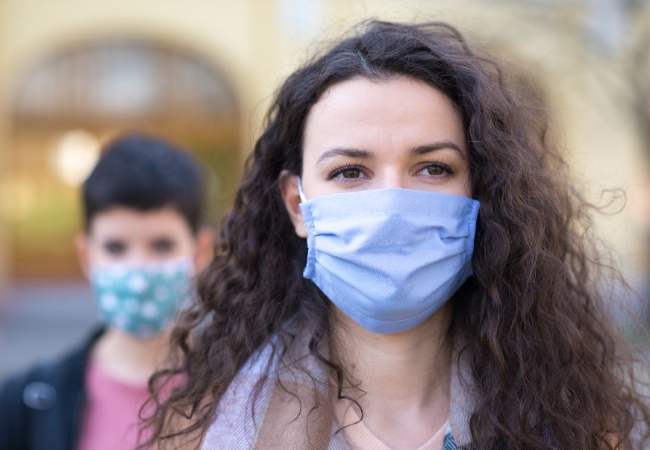
Many people with post-COVID find their lives becoming smaller. Working is impossible or only possible to a limited extent, social engagements are difficult, and stimuli such as noise, light, conversations, or screens can quickly become too much. Furthermore, post-COVID is often an invisible condition. This can lead to you feeling unheard, unseen, or not taken seriously.
At Brain-Fit, we support people with Post-COVID symptoms with NeurOptimal® neurofeedback and guidance from the PNEI perspective. By taking the Neuro-4 profile test, we gain good insight into the client's recovery and performance capacity. This allows us to better assess resilience, stress responses, sleep, energy, stimulus processing, and recovery capacity.
Brain-Fit has locations in Hillegom and Amstelveen and supports clients from, among others, Haarlem, Leiden, Hoofddorp, Amsterdam, Haarlemmermeer, Aalsmeer, Almere and the Bollenstreek.
What is Post-COVID /Long COVID?
Post-COVID, also known as Long COVID, is the term used for persistent symptoms after a COVID-19 infection. It is often spoken of when symptoms last for longer than three months and cannot be adequately explained by another cause.
The symptoms can be physical, mental and emotional. Some people primarily experience extreme fatigue. Others suffer greatly from shortness of breath, palpitations, sleep problems, concentration problems or sensory overload.
The unpredictable nature of Post-COVID makes it extra difficult. One day something is possible, the next it isn't. This makes planning tough and often leads to uncertainty about work, family, social contacts and recovery.
Common symptoms of Post-COVID
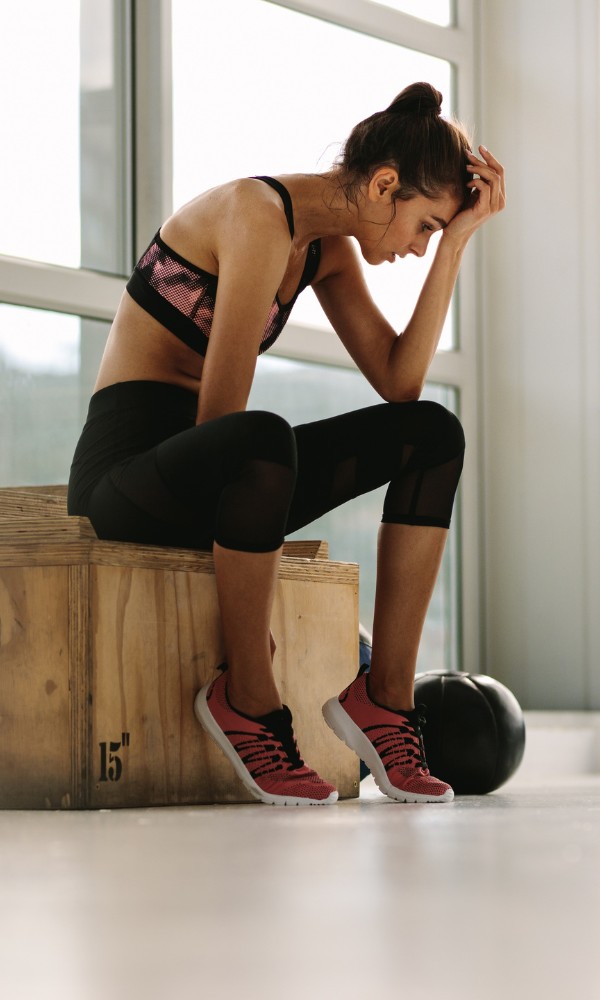
Post-COVID manifests differently in everyone. The symptoms can vary in severity and differ from day to day. Many people recognise that their tolerance to exertion has significantly decreased.
Common complaints include:
- persistent fatigue
- Shortness of breath
- A nặng ngực
- heart palpitations
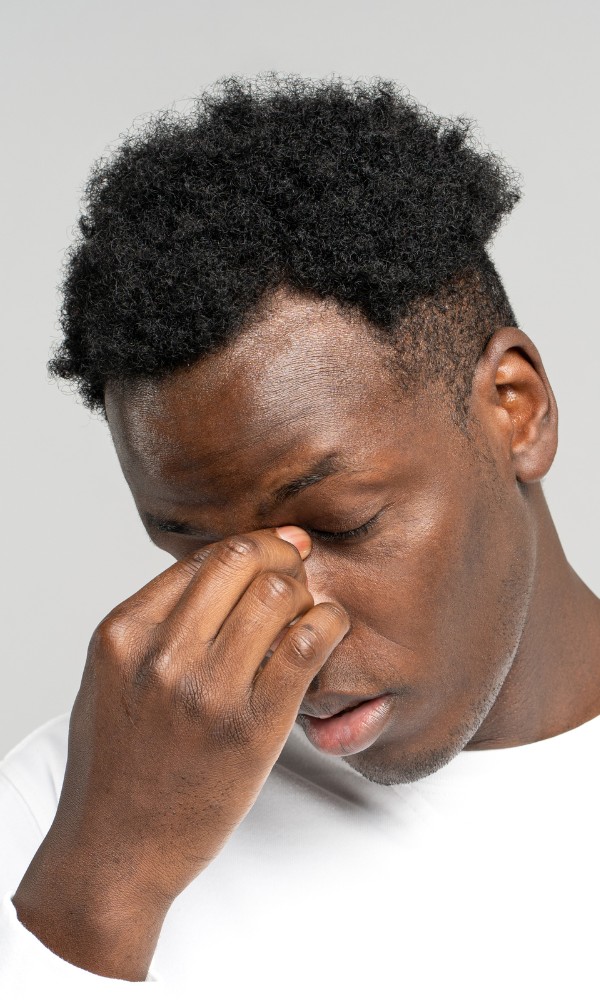
- Headache
- Dizziness
- Sleep problems
- concentration problems
- memory problems
- brain fog, or a foggy feeling in the head
- Depressive feelings
- angst of innerlijke onrust
- Difficulty with sensory processing
- muscle weakness
- Getting tired quickly after exertion
- Difficulty working or reintegrating
- less able to participate in social activities
At Brain-Fit, we don't just look at individual complaints, but at the overall picture. Post-COVID can affect the nervous system, the immune system, energy metabolism, sleep, stress regulation, and sensory processing.
The impact of Post-COVID on your daily life
Post-COVID, your life can change dramatically. Activities that were once taken for granted can suddenly feel too demanding. Think about working, shopping, exercising, driving, reading, having conversations, or attending a birthday party.
Many clients recognise that their world is becoming smaller. You constantly have to choose where your energy goes. A simple appointment can mean you have to recover for days afterwards. This can be frustrating, sad, and lonely.
Furthermore, Post-COVID is not always visible to the outside world. People don't always see how little energy you have or how much effort it takes to process stimuli. This can make you feel like you constantly have to explain yourself.
Brain-Fit offers guidance with plenty of room for personal attention, recognition, and a calm, gradual approach.
Why does the nervous system become deregulated in Post-COVID?
After Post-COVID, it often seems the body struggles to return to balance. The system remains, as it were, in a heightened state of alertness or dysregulation. This can lead to persistent fatigue, overstimulation, poor sleep, brain fog, and increased sensitivity to stress.
The nervous system plays an important role in this. When the nervous system struggles to switch effectively between exertion and recovery, your resilience can remain low. You then feel drained quickly, are less able to tolerate stimuli, and require more time to recover.
Neurofeedback focuses on self-regulation of the brain and nervous system. At Brain-Fit, we use this for NeurOptimal® neurofeedback.
How can NeurOptimal® neurofeedback support recovery from post-COVID?
At Brain-Fit, we work with NeurOptimal® neurofeedback. This is a dynamic form of neurofeedback in which the brain receives information about its own activity during a session.
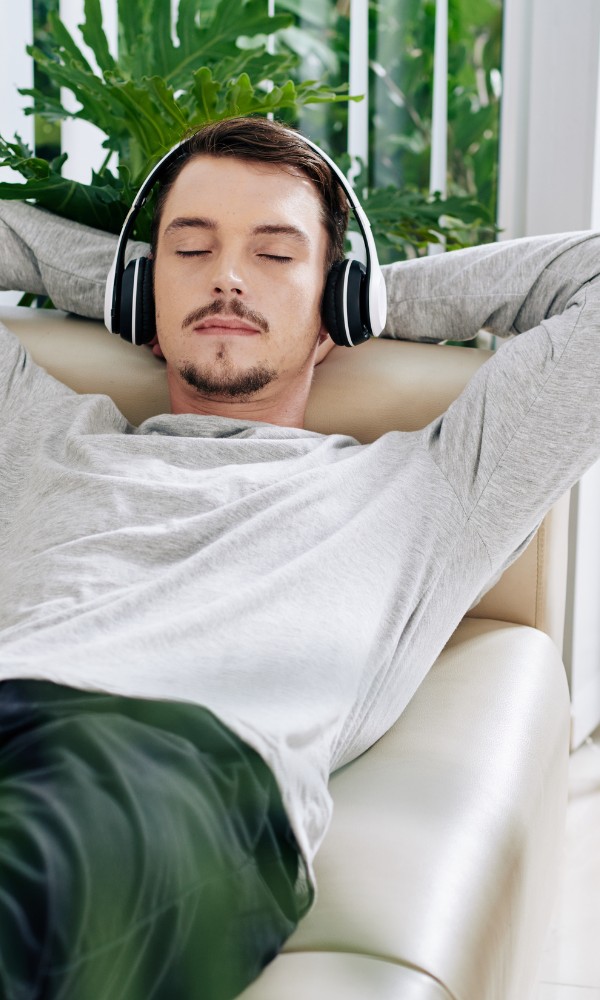
During a training session, you sit or lie down in a relaxed position. You listen to music or watch a film. Sensors measure brain activity and the system provides subtle feedback through brief interruptions in the sound. You don't need to do anything active, you don't need to concentrate, and you can't get it wrong.
This is often beneficial for people with Post-COVID, as it requires little effort. The aim is to provide the brain with information that helps it regulate itself better. This can offer support for symptoms such as overstimulation, sleep problems, fatigue, concentration difficulties, and brain fog.
Neurofeedback is not a medical treatment and does not replace a doctor, specialist, physiotherapist, occupational therapist or other practitioner. However, it can be valuable support within a broader recovery process.
Post-COVID, brain fog and concentration problems
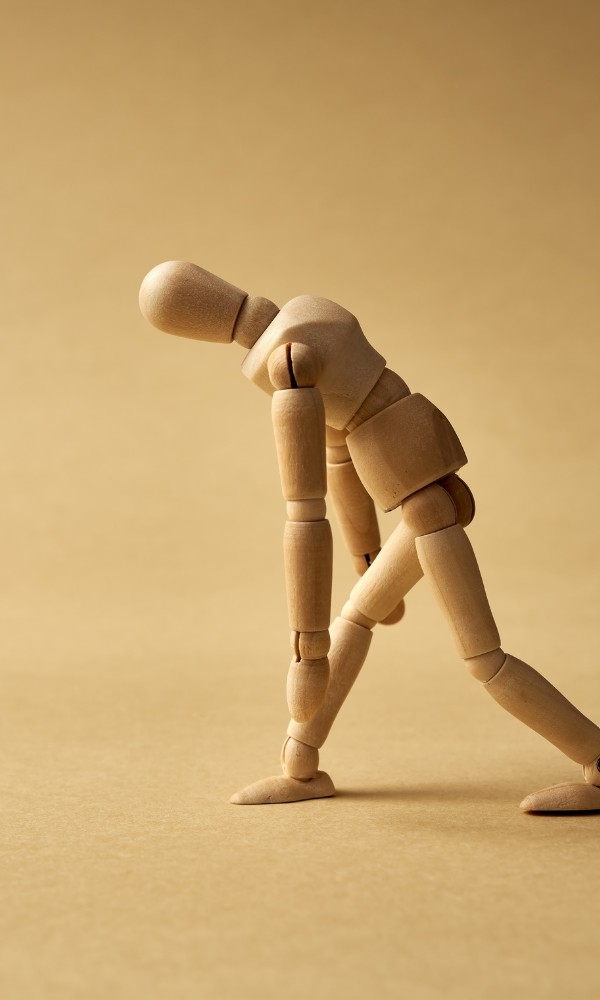
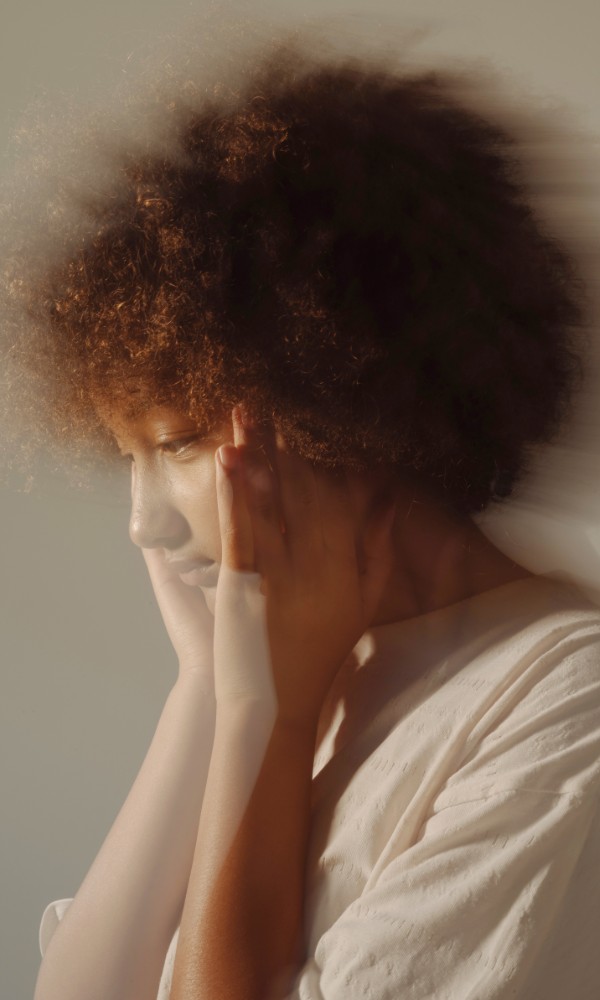
Many people with Post-COVID suffer from Brain fog. Your head feels foggy, sluggish, or full. Reading is more difficult, conversations take a lot of energy, and you may have trouble planning, focusing, or remembering.
Brain fog can have a significant impact on work, family, and social life. It can feel like you can no longer rely on yourself. That is often frightening and frustrating.
At Brain-Fit, we look at brain fog in relation to resilience, sleep, stress, sensory processing, and energy. Neurofeedback can help support the brain in self-regulation. From a PNEI (Psychoneuroendocrinology) perspective, we also look more broadly at factors that can influence clarity, recovery, and performance.
Post-COVID and overstimulation
Overstimulation is common with Post-COVID. Noise, light, crowds, screens, conversations, or unexpected situations can quickly become too much. Sometimes you notice the overload immediately, but sometimes only later in the day or the following day.
This can cause your social life to shrink. You want to participate, but your system can't process it well.
At Brain-Fit, we build up guidance gently. We take your sensory sensitivity and resilience into account. By taking the Neuro-4 profile test, we gain better insight into your recovery and performance capabilities. This allows us to look more specifically at what your system can handle and what is needed to build more stability step by step.
Post-COVID and fatigue
Persistent fatigue is one of the most common complaints with Post-COVID. It is often not ordinary tiredness, but deep exhaustion. Sometimes even a small effort can lead to a relapse.
Many people find their energy levels to be unpredictable. One day something seems possible, but this is followed by a period of relapse. This makes it difficult to plan your recovery effectively.
At Brain-Fit, we look at fatigue from multiple angles: the nervous system, sleep, stress, energy management, recovery capacity, and workload. The guidance aims to provide a better understanding of your limits and to support your system step by step.
Post-COVID and sleep problems
Sleep is important for recovery, but with Post-COVID, sleep is often disrupted. Some people find it difficult to fall asleep. Others wake up frequently, sleep superficially, or don't wake up feeling rested.
When sleep is not restorative, complaints such as fatigue, brain fog, irritability, and concentration problems can increase. That's why, at Brain-Fit, we pay a lot of attention to sleep and recovery rhythms.
Neurofeedback can offer support for the brain's self-regulation. From the PNEI perspective, we also look at factors that can influence sleep, such as stress load, daily rhythm, recovery periods, nutrition, immune activity, and overload.
The PNEI vision post-COVID
At Brain-Fit, we look from the PNEI vision Towards Post-COVID. PNEI stands for Psychoneuroendocrinoimmunology. This vision looks at the coherence between psyche, brain, nervous system, endocrine system, immune system, stress, sleep, nutrition, energy and recovery.
This is important because Post-COVID often doesn't have one simple cause. Symptoms can be related to multiple systems influencing each other. Consider an active stress system, disrupted sensory processing, reduced sleep quality, a strained immune system, or low energy capacity.
By looking more broadly, you gain more insight into what your system needs to recover better.
Neuro-4 Profile Test: Insight into Recovery and Performance Capability
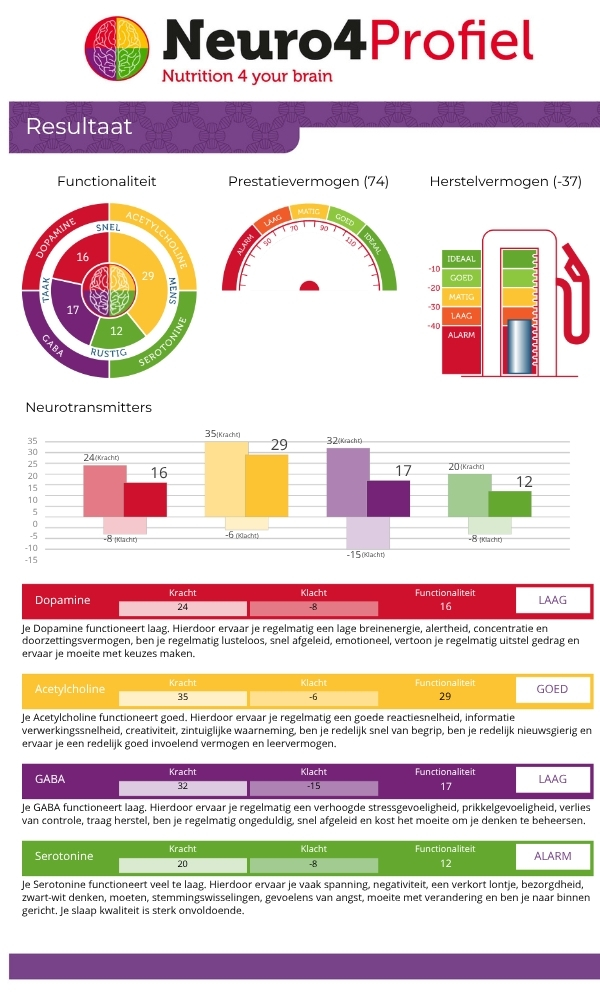
At Brain-Fit, we use the Neuro-4 profile test to get a better understanding of your recovery and performance capabilities. The test helps to make patterns visible that can influence your energy levels, resilience, sensory processing, sleep, and mental clarity.
By taking the Neuro-4 profile test, we gain insight into, among other things:
- resilience
- performance capacity
- stress loading
- Sleep quality
- energy balance
- Mental resilience
- sensitivity to stimuli
- Emotional regulation
- Focus and decisiveness
- signs of overload
- Possible factors slowing down recovery
From the PNEI (Psycho-Neuro-Endocrino-Immunology) perspective, we translate these insights into targeted guidance. For example, we don't just look at your complaint, but primarily at what your system needs to build more balance, resilience, and load capacity.
Neurotransmitters, stress and recovery
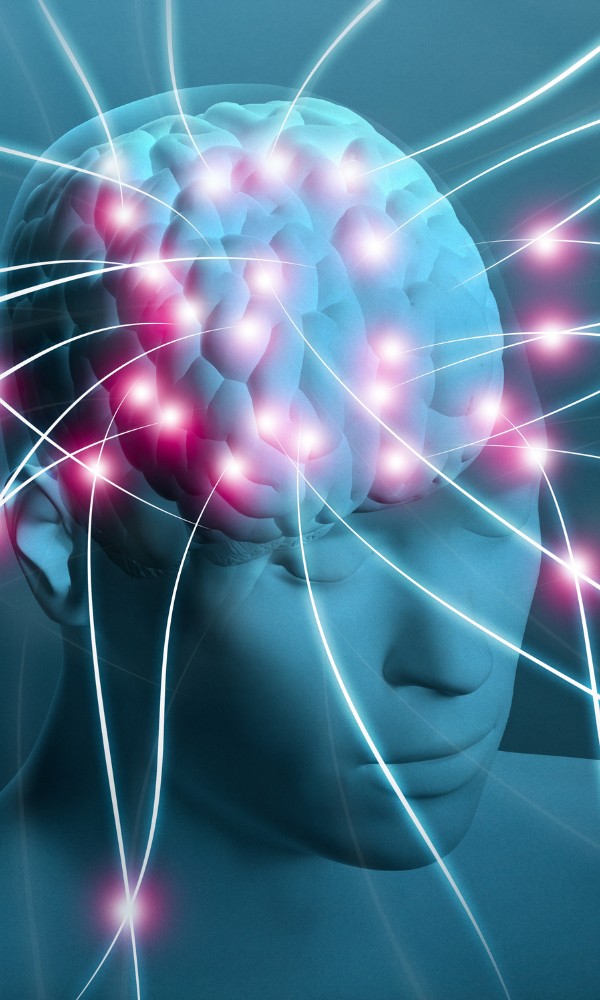
Within the PNEI vision, we also look at the role of neurotransmitters. Neurotransmitters are signalling substances involved in communication within your body and brain. Among other things, they play a role in mood, sleep, motivation, focus, stress responses, and recovery.
When the balance in these systems is disturbed, you can notice it through complaints such as:
- angst of innerlijke onrust
- increased irritability
- less decisiveness
- Difficulty making decisions
- Reduced sleep quality
- tiredness
- Difficulty with emotional control
- Sluggishness or lack of motivation
- concentration problems
The Neuro-4 profile test helps to gain a better understanding of these kinds of patterns. This provides direction for guidance and helps to make choices that align with your recovery and performance capabilities.
A multidisciplinary approach to Post-COVID
Post-COVID often requires a broad approach. Rest alone is usually not enough. At the same time, increasing activity too quickly is not advisable, as overexertion can lead to relapse.
Brain-Fit offers support from multiple perspectives:
- NeurOptimal® neurofeedback
- guidance from the PNEI perspective
- Neuro-4 Profile Test for Insight into Recovery and Performance Capability
- attention to sleep, energy and stress regulation
- attention to sensory processing and brain fog
- Lifestyle and dietary advice
- where appropriate: targeted supplement advice
- Personal guidance and evaluation
The approach will be tailored to your situation, symptoms and capacity.
Four points of attention for recovery after Post-COVID
When supporting Post-COVID recovery, we look at various components that can influence it. Not everyone needs the same thing. Therefore, it's important to first understand which stage you are in and which symptoms are most prominent.
Within the Brain-Fit approach, we look at four key areas, among others:
Viral load and neuroinflammation
After an infection, the system can remain disrupted for a long time. Some symptoms may be consistent with an active or irritated immune system and increased sensitivity of the nervous system. We look at signs of overload, inflammatory sensitivity, and delayed recovery.
2. Calming the immune system
With Post-COVID, the immune system sometimes seems to struggle to switch back down. This can affect energy levels, sleep, mood, and physical complaints. From the PNEI perspective, we look at factors that can burden or support the immune system.
3. Mitochondrial capacity and energy
Mitochondria are often referred to as the 'powerhouses' of the cell. With persistent fatigue, energy restoration is an important focus. We look at energy distribution, recovery periods, nutrition, sleep, and resilience.
4. Tissue repair of lungs and muscles
Post-COVID can be accompanied by breathlessness, muscle weakness, or reduced physical functioning. Where necessary, we will look at restoring your capacity for exertion, collaborating with other healthcare providers, and a gradual build-up that respects your limits.
These four points of attention do not form a standard protocol for everyone. They help to focus more on what is relevant to your situation.
What can you notice during the process?
Every client reacts differently. With Post-COVID, recovery is often erratic and not always linear. Nevertheless, in practice, we regularly observe that clients first notice improvement in their resilience and stimulus processing.
Possible changes that clients may experience include:
- more peace in the head
- handle stimuli better
- think more clearly
- less brain fog
- less fatigue
- Sleep better
- more focus
- Faster recovery after exertion
- more confidence in the body
- participate more in work or social activities with more confidence
These improvements may be important as they allow for small steps to be taken. The aim is not to force recovery, but to support the system so that capacity and confidence can gradually grow.
Neurofeedback in practice or training at home
Bij Brain-Fit kun je neurofeedback volgen op locatie in Amsterdam. Hillegom of Amstelveen. However, for some people with Post-COVID, travel is too strenuous. In that case, a NeurOptimal® Home System to be a suitable opportunity.
With a home system, you train in your own environment, at times that suit your energy and sensitivity to stimuli. Brain-Fit provides explanation, guidance, and evaluation. Here too, we use the PNEI vision and the Neuro-4 profile test to gain more insight into your recovery and performance capabilities.
Who is this approach suitable for?
This approach is intended for people who continue to have symptoms after COVID-19 and notice that their recovery is stagnating.
This could include people with:
- Post-COVID / Long COVID
- persistent fatigue
- Brain fog
- concentration problems
- Sleep problems
- overstimulation
- stress sensitivity
- Headache
- Dizziness
- Reduced load-bearing capacity
- Difficulty returning to work
- uncertainty about recovery
- Post-exertional malaise
Even if you don't know the exact cause of your complaints, but you notice your system isn't recovering well since COVID-19, an introductory session could be beneficial.
Why choose Brain-Fit for Post-COVID?
Brain-Fit looks beyond just the complaint. We look at the total system: brain, nervous system, stress, sleep, energy, immune system, sensory processing, and recovery capacity.
You choose Brain-Fit because you receive guidance with:
- NeurOptimal® neurofeedback
- personal attention
- calm build-up
- PNEI vision
- Neuro-4 Profile Test for Insight into Recovery and Performance Capability
- Attention to brain fog, fatigue, and overstimulation
- Lifestyle, nutrition and, where appropriate, supplement advice
- Possibility of guidance in Hillegom or Amstelveen
- Possibility of home neurofeedback
Brain-Fit offers no standard pathway, but guidance that is tailored to your capacity and symptom profile.
Brain-Fit Hillegom and Amstelveen
Brain-Fit has locations in Hillegom en Amstelveen. We guide clients from, among others:
- Hillegom
- Haarlem
- Flower Bulb Region
- Leiden
- Hoofddorp
- Haarlemmermeer
- Amstelveen
- Amsterdam
- Aalsmeer
- Almere
- North Holland
- South Holland
Are you looking for support with Post-COVID in the Amsterdam, Amstelveen, Haarlem, Hillegom, Hoofddorp or Leiden region? Then contact Contact for an introduction.
Important to know
Post-COVID can be complex. Brain-Fit does not make medical diagnoses and does not replace a doctor or specialist. For medical complaints, shortness of breath, chest pain, heart palpitations, severe fatigue or doubts, it is important to stay in contact with your GP, specialist or other healthcare provider.
The guidance from Brain-Fit is supplementary and focused on supporting self-regulation, recovery, resilience, sensory processing, and lifestyle.
Arrange an initial consultation at Brain-Fit
Do you still have complaints after COVID-19? Are you experiencing fatigue, brain fog, sensory overload, sleep problems, or concentration difficulties? If so, it's understandable that you're looking for guidance that looks beyond just individual symptoms.
At Brain-Fit, we look at your situation together. With NeurOptimal® neurofeedback, the PNEI vision, and the Neuro-4 profile test, we gain more insight into your recovery and performance capabilities. This allows us to offer guidance that is better suited to what your system needs.
Would you like to know if Brain-Fit can help you with Post-COVID?
Arrange a get-together in Hillegom or Amstelveen.
Frequently asked questions about Post-COVID and neurofeedback
Post-COVID
Post-COVID, also known as Long COVID, refers to persistent symptoms after a COVID-19 infection. Often, these are complaints that last longer than three months, such as fatigue, brain fog, shortness of breath, sleep problems, overstimulation, and concentration difficulties.
Can neurofeedback help with Post-COVID?
Neurofeedback can offer support for issues such as overstimulation, sleep problems, concentration difficulties, brain fog, and stress sensitivity. It is not a medical treatment, but can be part of a broader recovery plan.
What does NeurOptimal® neurofeedback do?
NeurOptimal® neurofeedback provides the brain with feedback through short interruptions in sound. The system measures brain activity and provides information back, allowing the brain to self-regulate better. You don't need to do anything actively during a session.
Why does Brain-Fit use the PNEI vision for Post-COVID?
Post-COVID often affects multiple systems simultaneously, such as the nervous system, immune system, endocrine system, sleep, and energy regulation. From the PNEI-perspective, Brain-Fit looks at these interconnections, ensuring that guidance is better aligned with the overall symptom picture.
What is the Neuro-4 profile test?
The Neuro-4 profile test is a profile test that allows Brain-Fit to gain insight into the client's recovery and performance capabilities. The test provides information on, among other things, resilience, stress, sleep, energy, sensory sensitivity, focus, and recovery capacity.
Is Post-COVID the same as Long COVID?
The terms are often used interchangeably, both referring to persistent symptoms after a COVID-19 infection. On this page, we will use 'Post-COVID' and 'Long COVID' interchangeably to refer to long-term symptoms following COVID-19.
Is it possible to do neurofeedback at home for Post-COVID?
Yes, in some situations, training at home is possible with a NeurOptimal® home system. This can be beneficial when travelling is too strenuous or when you become overstimulated quickly. Brain-Fit provides explanations and guidance on its use.
Does Brain-Fit also help with brain fog?
Brain-Fit supports people experiencing brain fog as part of post-COVID symptoms. We look at the brain, nervous system, sleep, stress, energy, and sensory processing. Neurofeedback can offer support with self-regulation and mental clarity.
Will I also receive nutritional advice?
Where appropriate, Brain-Fit takes a PNEI (Psycho-Neuro-Endocrino-Immunology) perspective on nutrition, lifestyle, and any supplement advice. This is tailored to your situation, symptoms, and resilience.
Where can I go for post-COVID support?
You can visit Brain-Fit in Hillegom and Amstelveen. Brain-Fit supports clients from Haarlem, Leiden, Hoofddorp, Amsterdam, Amstelveen, Haarlemmermeer, Aalsmeer, Almere, the Bollenstreek, and other surrounding areas.